

Updates on C. auris
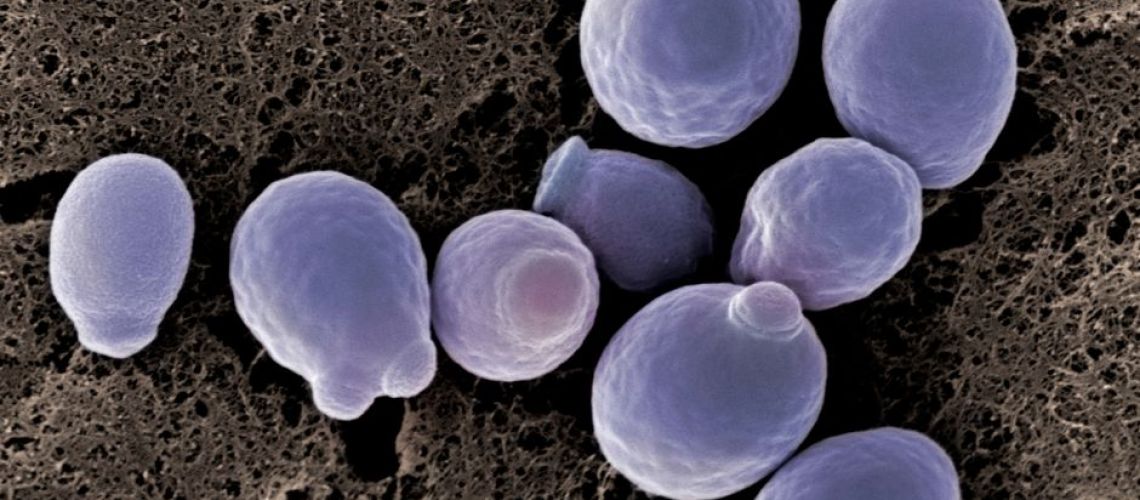
Candida auris is now Candidozyma auris
The recent reclassification (in 2024) of Candida auris to Candidozyma auris reflects a growing scientific consensus: this organism is fundamentally different from other Candida species in ways that matter for infection prevention. Treating it as “just another yeast” has repeatedly led to delayed control, prolonged outbreaks, and environmental persistence that is difficult to reverse.
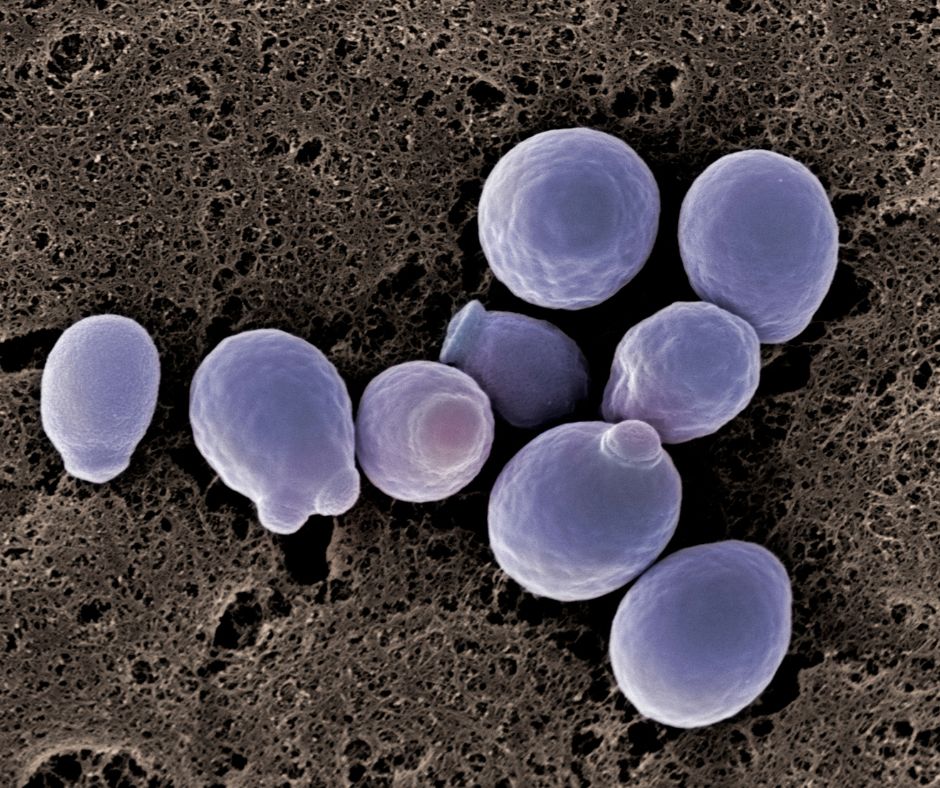
What makes C. auris so dangerous is the combination of its traits:
-
It is frequently resistant to multiple antifungal classes, limiting treatment options.
-
It can colonise patients for long periods without obvious symptoms, allowing it to spread silently before it is detected.
-
it has an exceptional ability to survive in the healthcare environment.
Unlike most yeasts, C. auris readily contaminates high-touch surfaces and shared medical equipment. It has been recovered from bed rails, monitors, infusion pumps, and other frequently handled items even after routine cleaning and disinfection.
In many documented outbreaks, the environment becomes the main reservoir, sustaining transmission long after patient-based measures have been implemented. At that point, isolating patients alone is no longer enough.
This is why C. auris behaves less like a typical fungal pathogen and more like a multidrug-resistant bacterium.
As clearly emphasised by Jon Otter in a blog, assumptions based on other Candida species simply do not hold.
SteriPro has been tested according to BS 8628:2022 specifically on Candida auris and achieves a ≥4 log₁₀ reduction in as little as 25 minutes. This provides a validated adjunct to manual cleaning.
At the time of writing this blog, it is the only contactless technology with publicly available, standardised test data demonstrating effectiveness against C. auris.
Rising global case numbers underline the need for coordinated, evidence-based IPC strategies to address this emerging global threat.


